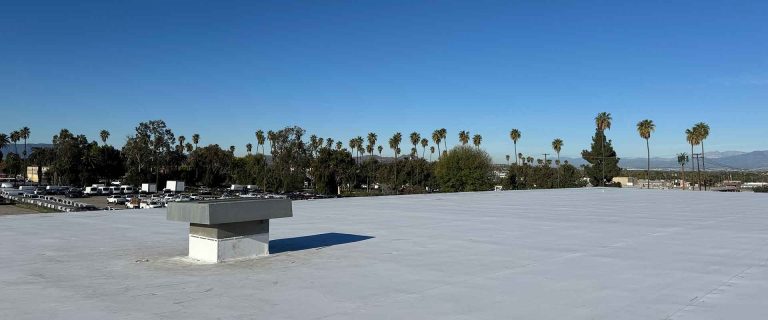
Understanding Rubber and TPO Roofing Systems
Rubber roofing, particularly TPO (Thermoplastic Polyolefin) membranes, represents one of the most advanced commercial roofing solutions available today. At Ronstadt Roofing Inc., we specialize in these single-ply membrane systems that have revolutionized flat and low-slope roofing applications across Serving the Inland Empire, Orange County, Upland, Rancho Cucamonga, and the surrounding areas. TPO combines the weatherability of EPDM rubber with the heat-welded seam advantages of PVC, creating a roofing system that delivers exceptional performance in diverse climate conditions. The material consists of a blend of polypropylene and ethylene-propylene rubber polymerized together, reinforced with polyester or fiberglass scrim for enhanced durability and dimensional stability.
The molecular structure of TPO provides inherent resistance to ultraviolet radiation, ozone, and chemical exposure, making it particularly suitable for buildings in areas with intense sun exposure or industrial environments. Our entire team is extensively trained to execute precise installation procedures that not only meet but exceed manufacturer specifications and local building codes. We prioritize paying our installers top wages, enabling us to maintain a crew of superior quality compared to our competitors. This expertise ensures every TPO installation maximizes the material’s inherent advantages while providing decades of reliable protection.
Installation Process and Technical Specifications
The installation of TPO roofing requires meticulous attention to detail and specialized equipment that our certified technicians have mastered through years of experience. We begin each project with comprehensive roof deck inspection, ensuring the substrate meets the stringent requirements for membrane attachment. The process involves either mechanical fastening, fully adhered application, or ballasted installation, with the choice depending on building structure, local wind uplift requirements, and specific project parameters. Mechanical attachment utilizes specialized plates and fasteners engineered to distribute wind loads across the membrane surface, while fully adhered systems employ specially formulated adhesives that create a monolithic bond between the membrane and insulation board.
Heat welding represents the critical differentiator in TPO installation, creating seams that are actually stronger than the membrane itself. Our technicians use automatic hot-air welders calibrated to precise temperatures between 1000-1100°F, moving at controlled speeds to ensure optimal molecular fusion at every seam. The resulting weld creates a homogeneous bond that eliminates the water infiltration risks associated with adhesive-based seaming methods. As a GAF Certified contractor, we maintain strict quality control protocols throughout the installation process, including probe testing of all seams and detailed documentation that supports comprehensive warranty coverage.
Energy Efficiency and Environmental Benefits
TPO roofing systems deliver exceptional energy efficiency through their highly reflective white surface, typically achieving solar reflectance values exceeding 0.70 and thermal emittance ratings above 0.85. These properties enable TPO roofs to reflect approximately 85% of solar radiation rather than absorbing it, dramatically reducing cooling loads during summer months. Buildings throughout Riverside, Fontana, Jurupa Valley, Grand Terrace, Corona, Redlands, & Perris, CA have experienced cooling cost reductions of 20-30% following TPO installation, with some facilities reporting even greater savings depending on their previous roofing material and HVAC system efficiency.
The environmental advantages extend beyond energy savings to encompass the entire product lifecycle. TPO membranes contain no chlorine or other halogenated compounds, making them fully recyclable at the end of their service life. The manufacturing process produces minimal emissions compared to other roofing materials, and the lightweight nature of TPO reduces transportation-related carbon emissions. We’re a family-owned company with over 40 years of experience, and we’ve witnessed firsthand how TPO installations contribute to LEED certification points and help building owners meet increasingly stringent environmental regulations.
Maintenance Requirements and Long-Term Performance
- Annual Inspections: Professional evaluation of seams, flashings, and penetrations to identify potential issues before they develop into problems
- Debris Removal: Regular clearing of drains, scuppers, and roof surface to prevent ponding water and premature membrane degradation
- Seam Monitoring: Periodic testing of heat-welded seams to ensure continued integrity throughout the warranty period
- Chemical Resistance Testing: Assessment of areas exposed to exhaust fans or industrial processes that might affect membrane performance
- Documentation: Detailed maintenance records that preserve warranty coverage and support property value
TPO roofing systems demonstrate exceptional longevity when properly maintained, with many installations exceeding their 20-year warranty periods while maintaining watertight integrity. Our team excels not only in their craftsmanship but also in their professionalism on-site, providing comprehensive maintenance programs that protect your roofing investment. We offer free estimates with no conditions and can discuss financing options that make TPO roofing accessible for properties of all sizes. Our commitment to quality means we’re fully licensed and insured, and we take pride in doing quality work the right way. We communicate clearly, show up when we say we will, and stand behind our work, ensuring that whether it’s a residential or commercial project, our goal is to make the process straightforward, reliable, and stress-free for our customers.